The Art of Choosing the Right Sofa: Our Perspective in Livingetc
As contemporary interiors become more flexible and modular, the traditional sofa silhouette is being reconsidered. For us, the decision is less about following a trend and more about understanding how the sofa needs to work within the room.
When sofa arms make sense
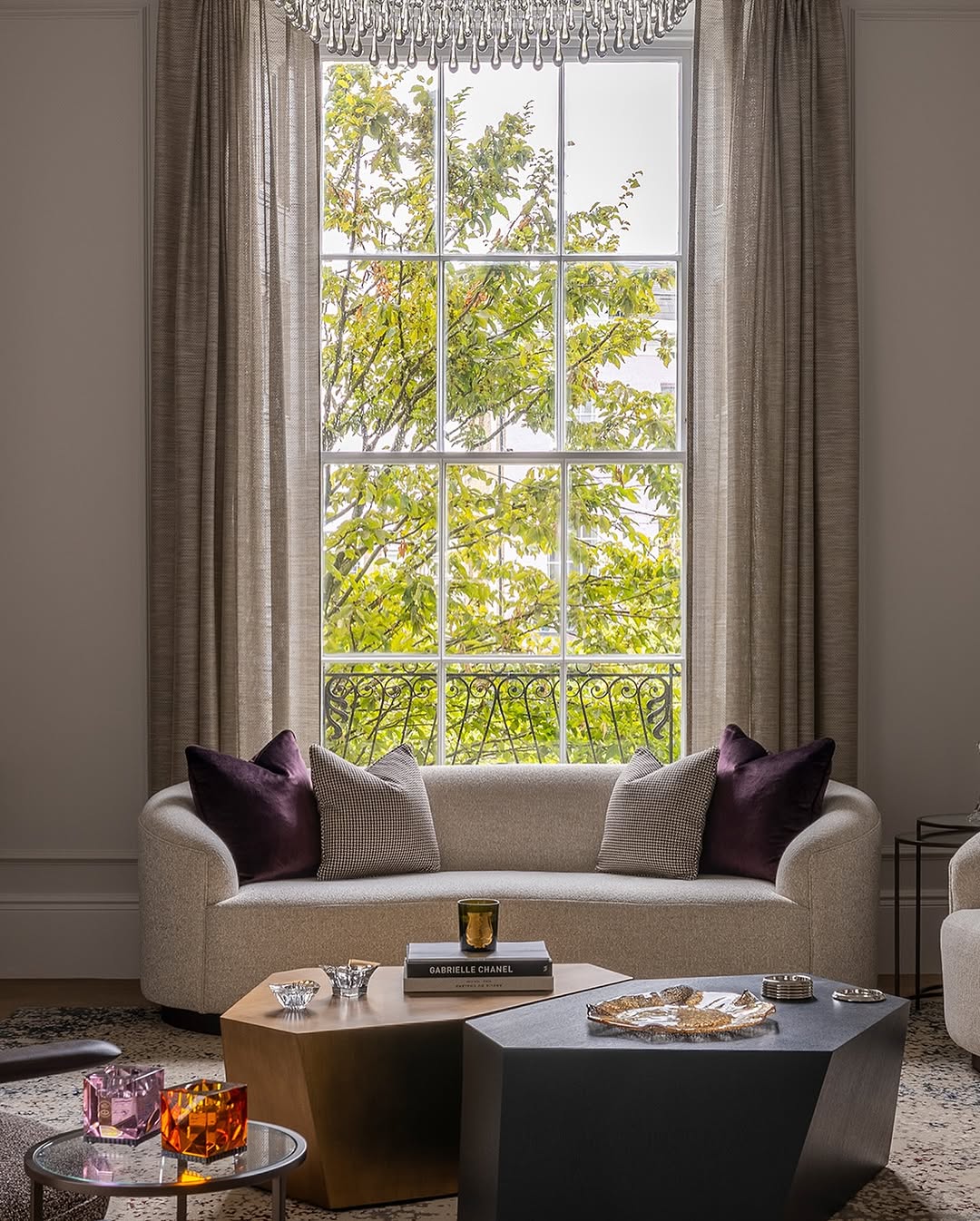
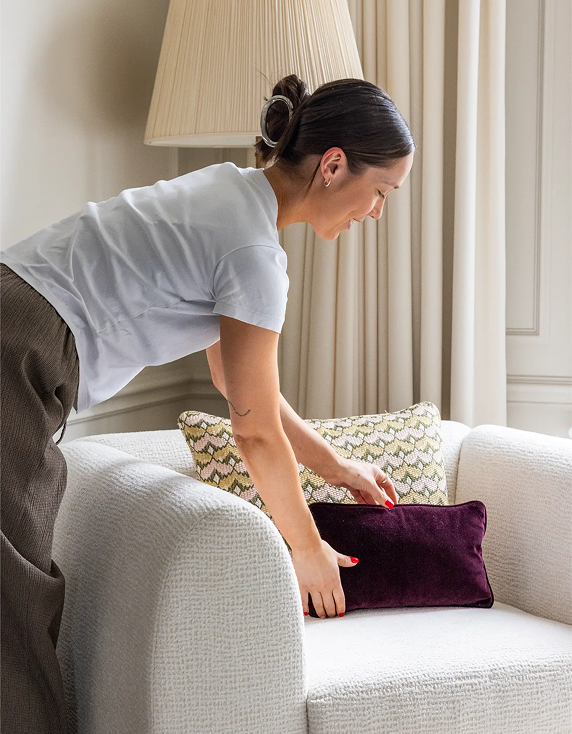
We often see arms working particularly well on standalone two or three-seater sofas. They give the piece a clear beginning and end, helping it feel more finished and intentional within the room.
As Marcelina Janizewska, our Head of Interior Design, explains in Livingetc:
“They give sofas a clear beginning and end, making them feel more finished.”
Arms can also give a sofa more presence, allowing it to anchor a room and create a sense of enclosure. In a more intimate living space, this can help make the sofa feel like a destination within the room rather than simply another piece of furniture.
When going armless works better
The decision changes when we’re working with larger, more open or flexible spaces.
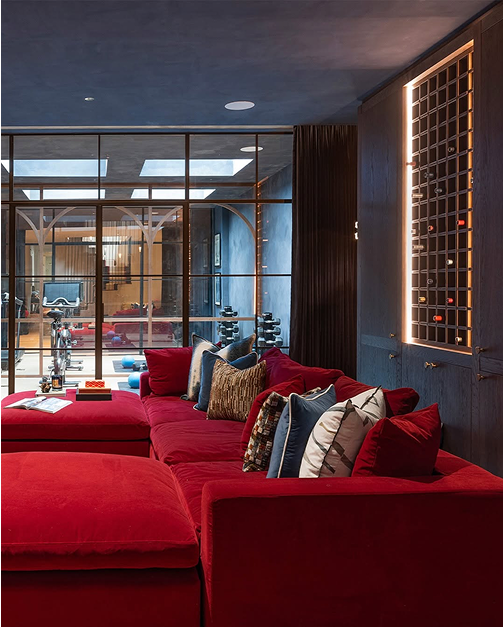
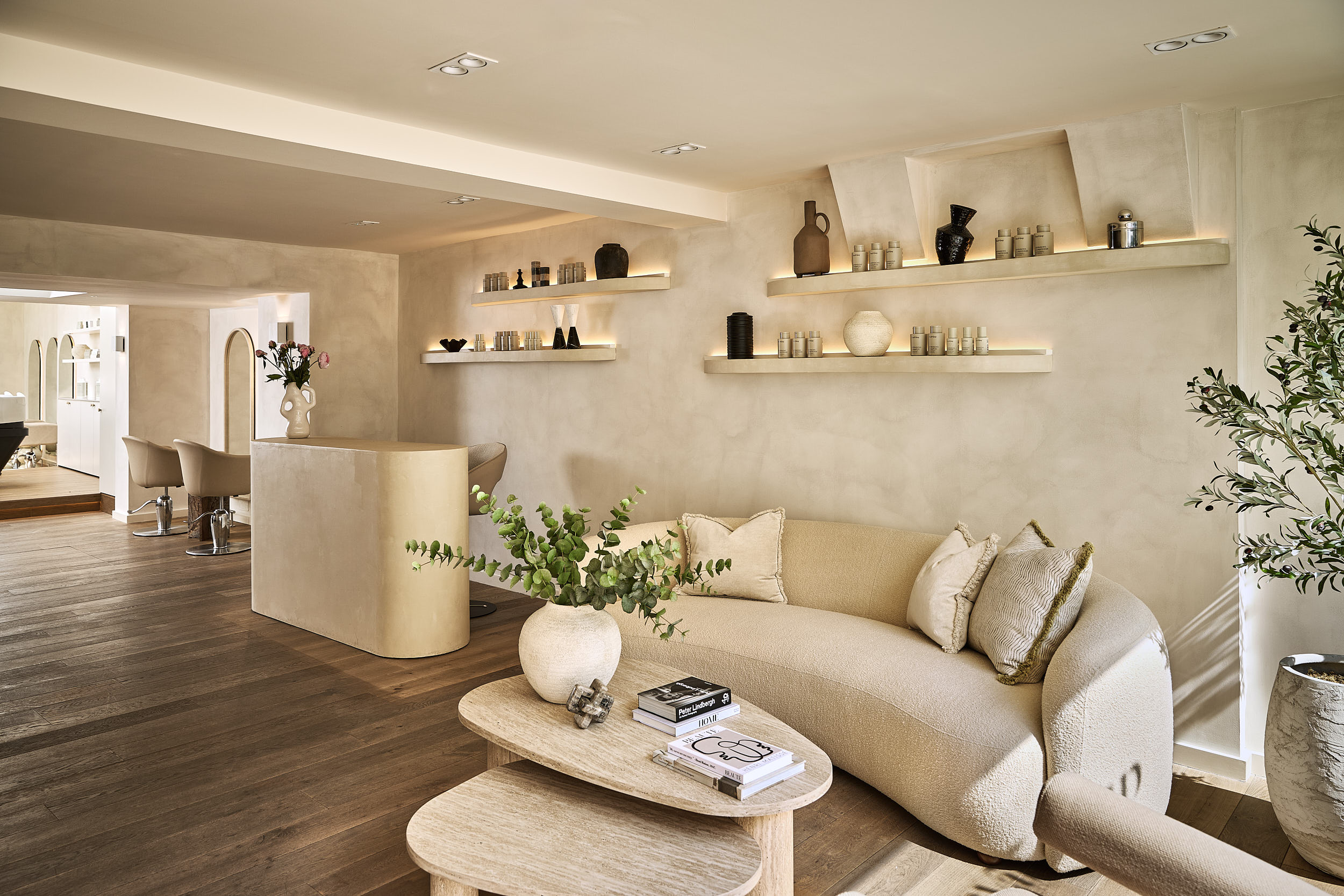
Removing the arms reduces the physical and visual footprint of a sofa, which can make a substantial piece feel lighter and allow it to work more naturally within an open-plan layout. Armless designs can also offer greater flexibility, particularly when using modular seating that needs to adapt to different ways of living.
The key is not to make an armless sofa feel like a traditional sofa with something missing. Instead, we think the modularity should become part of the design.
“Embrace the modularity of an armless sofa, rather than trying to make it look like a traditional sofa without its arms.”
It is a small decision, but one that can have a surprisingly significant impact on how a room looks, feels and functions.
For us, this is what good interior design comes down to. Every element needs to have a reason for being there, from the overall layout to the shape of the sofa.
Read the full feature in Livingetc to explore the thinking behind the design.